

When political systems erode our rights, indigenous women's movements hold the line — Ten Years of Proof
By Teresa Zapeta, Executive Director, FIMI (International Indigenous Women’s Forum)
In April 2026, the Women Deliver Conference took place in Melbourne on the unceded lands of the Wurundjeri Woi Wurrung people. Delegates gathered to discuss gender equality at a time when less than a third of the global population lives in countries where civic space remains genuinely open.
In a single year, the share of the world's population living in countries with open or narrowed civic space has fallen by 7.5 percentage points, to just 7.2%. The figure for genuinely open civic space is smaller still: 3.2%. From Afghanistan to Guatemala, from Kenya to the United States, we are watching the same playbook: protest criminalised, executive power concentrated, courts weaponised, digital space surveilled and shut down. Women and gender diverse people absorb the sharpest consequences of this shrinking — first through the erosion of universal rights, then through the specific targeting of our bodies, our safety, our land.
Yet in the same places where systems are failing, Indigenous women’s organisations are holding communities together. They are the early warning systems, the accountability mechanisms, the connective tissue between people and the resources they need to survive. This is not new. We have always done this work. What is new — and what ten years of Leading from the South’s investment in Indigenous women’s organisations has demonstrated with unmistakable clarity — is what becomes possible when this work is properly resourced.
“We are not a gap to be filled. We are the foundation.”
What sustained investment actually produces
Western Santo is Vanuatu’s largest biodiversity hotspot — a mountain chain blanketed in native forest, home to endemic species found nowhere else on earth. For decades, foreign logging and mining companies arrived with cash offers to chiefs and landowners, exploiting ancestral forests. At the same time, the women who sustained those ecosystems had no formal voice in the decisions that shaped their territories. When new logging proposals emerged, the women of the Santo Sunset Women's Environment Network decided it had to stop.
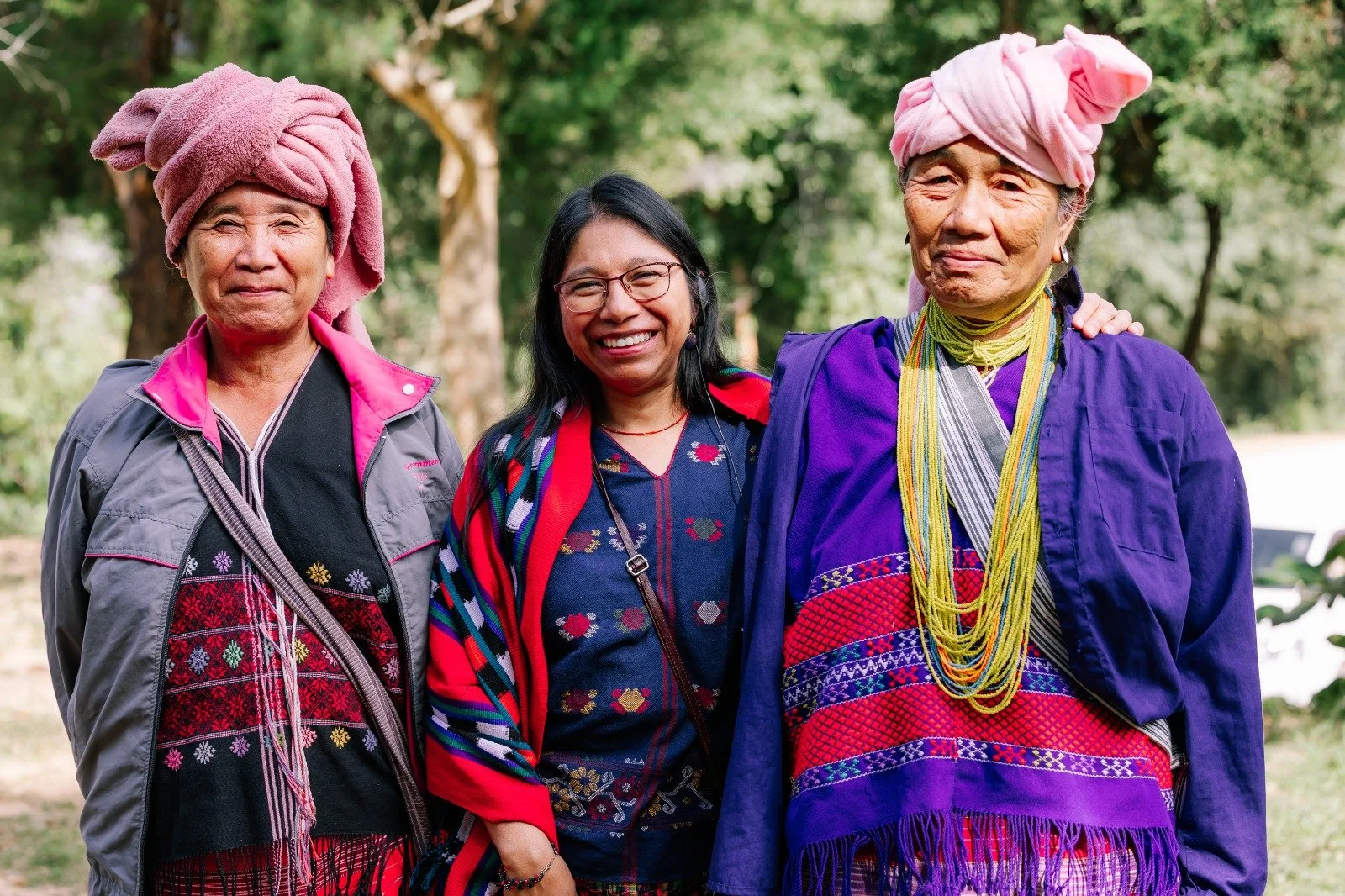
With financial and technical support flowing through FIMI, the women of SSWEN ran awareness campaigns across 42 communities — by boat, on foot, through hours of dense forest — until they had built a collective position strong enough to bring together chiefs, youth, and all area councils. The result was a signed logging ban across Western Santo. The chiefs who had held traditional authority over these decisions publicly acknowledged that women’s voices carried the same weight as their own. That was a transformation in governance that a short-term project grant could not have produced. It required years of capacity building, of training, of the kind of trust that only comes with sustained relationships.
The same pattern has unfolded across other regions. In Nepal, the Indigenous Women Legal Awareness Group trained 274 Indigenous women as Human Rights Defenders across three districts. These women now sit in dialogue with local authorities, advocating for Free, Prior, and Informed Consent before conservation decisions are made that affect their communities.
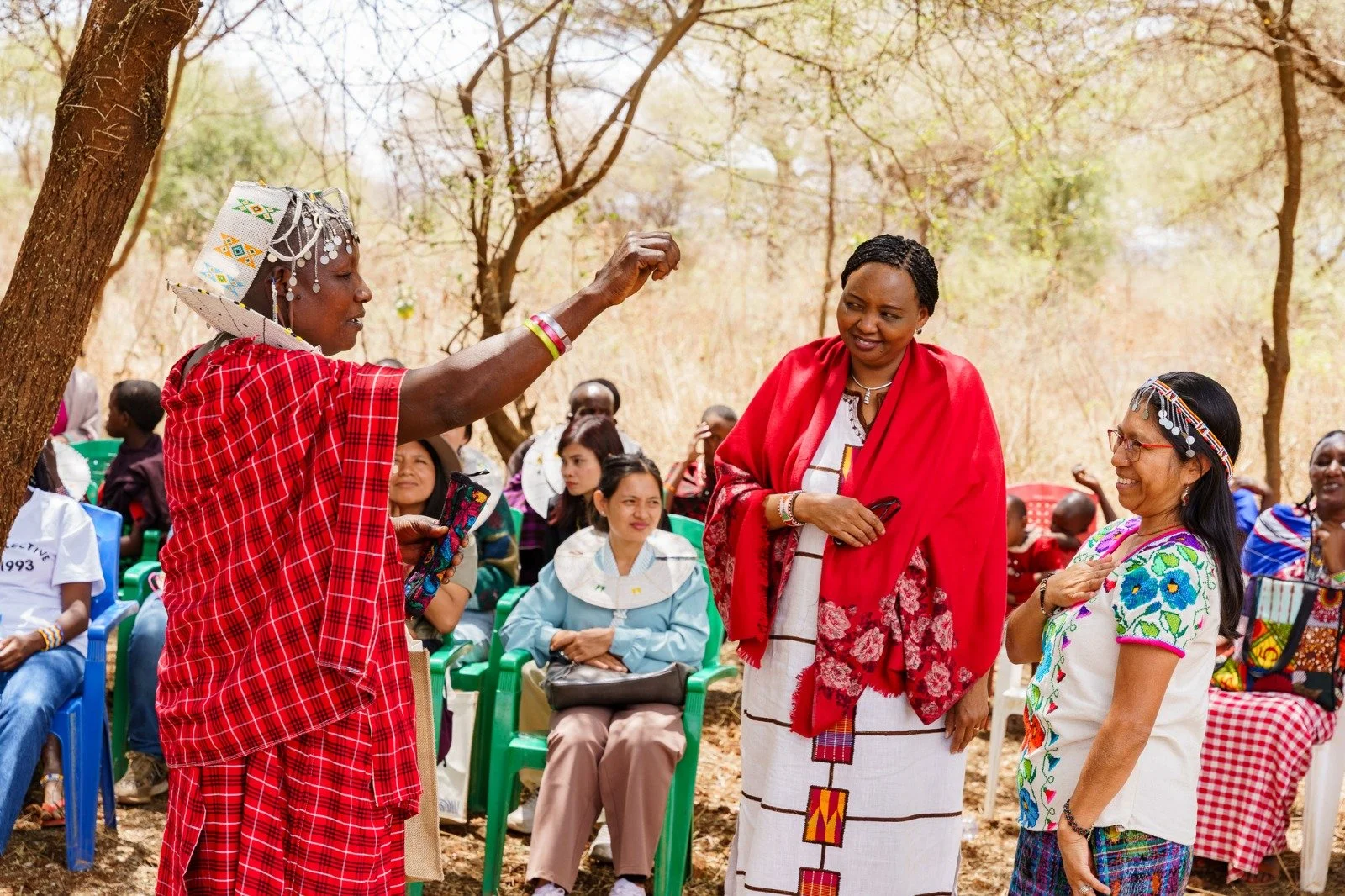
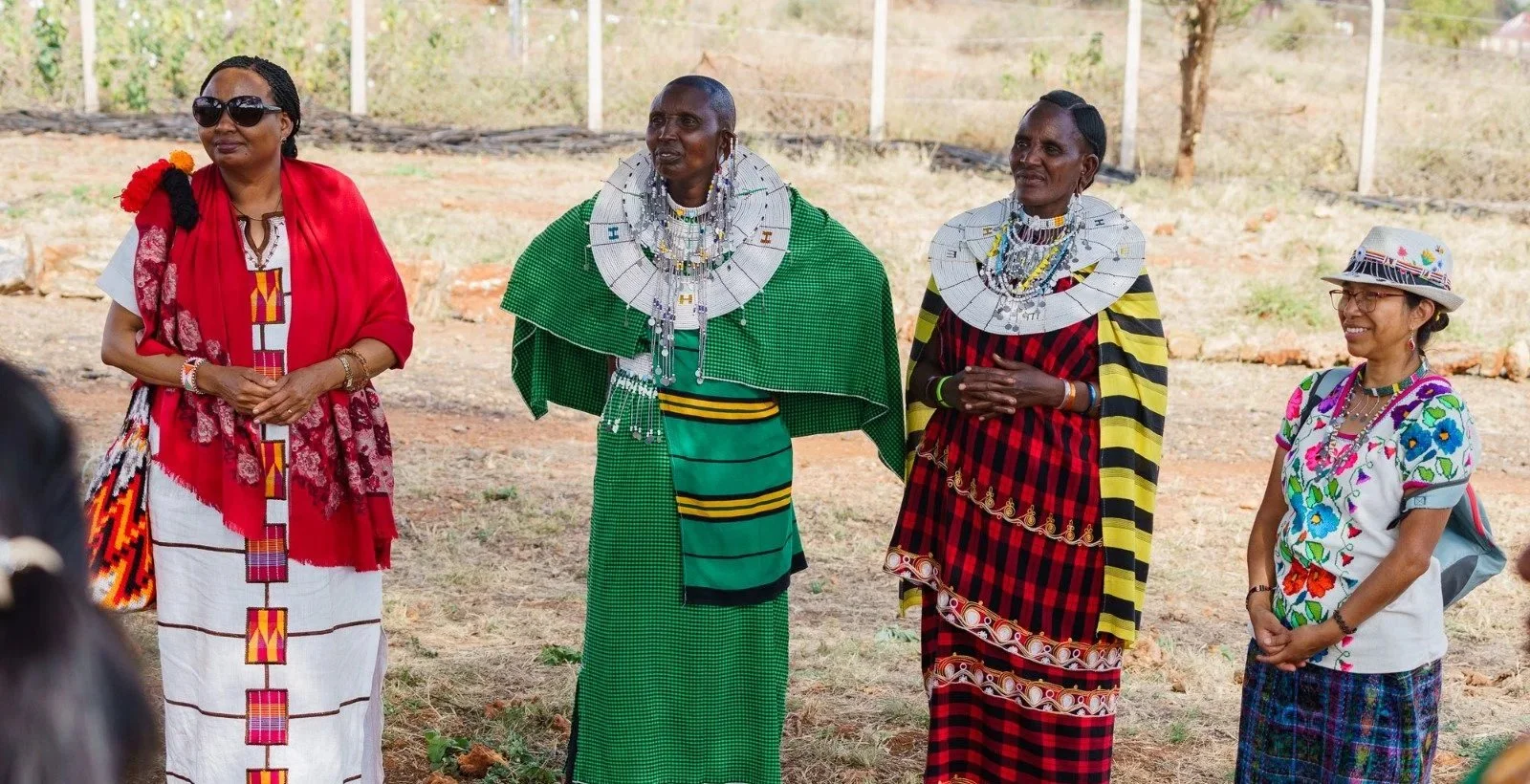
In Kenya, the deregulation of genetically modified organisms (GMOs) threatened corporate control of the food system. By mobilising women farmers, the SPEAK Project showed that seeds are more than agricultural inputs—they are political tools. The movement won a High Court challenge to the criminalisation of seed sharing and, in 2025, achieved the first appointment in decades of two indigenous peasant women to a seed regulation committee. Since then, traditional seeds have reached over 2,400 farmers, shifting food governance to the women who produce and prepare it.
In Bangladesh, Badabon Sangho built a Women Land Rights Network of over 4,600 women across eleven districts over three years, reaching more than 14,000 people in total. Women who could not speak inside their own families are now leading public gatherings.
In Peru, the Kukama Kukamiria women of Huaynakana Kamatahuara Kana did something that would have seemed impossible a generation ago: they secured a court ruling recognising the Marañón River’s right to exist free from pollution, and were named as its legal representatives. They are now registering 20,000 native seedlings as their children, a legal act intended to protect them from extractive activities.
These outcomes share a common thread. They are not the product of a single intervention or a well-designed project. They are the product of organisations that were trusted with resources, given room to lead, and supported over time to build the knowledge, networks, and confidence that make lasting change possible.
The funding gap is a choice
At a time when the evidence for Indigenous women’s leadership is this clear, the funding picture remains a scandal. Globally, just 1.4 percent of the $28.5 billion in women-and-girls grant-making between 2016 and 2020 reached organisations benefiting Indigenous women — a figure documented in the “Leaders and Stewards: Global Analysis of Funding to Indigenous Women” report published by International Funders for Indigenous Peoples. This is not a reflection of our capacity to deliver results. It is a reflection of whose priorities shape the philanthropic system.
Rigid grant requirements, short project cycles, and the demand for metrics that fit external frameworks rather than community realities — these are not neutral administrative choices. They systematically exclude the organisations doing the most essential work in the most difficult conditions. They force Indigenous women’s organisations to translate their work into language that makes it legible to funders, rather than requiring funders to build the relationships and knowledge needed to understand what they are looking at.
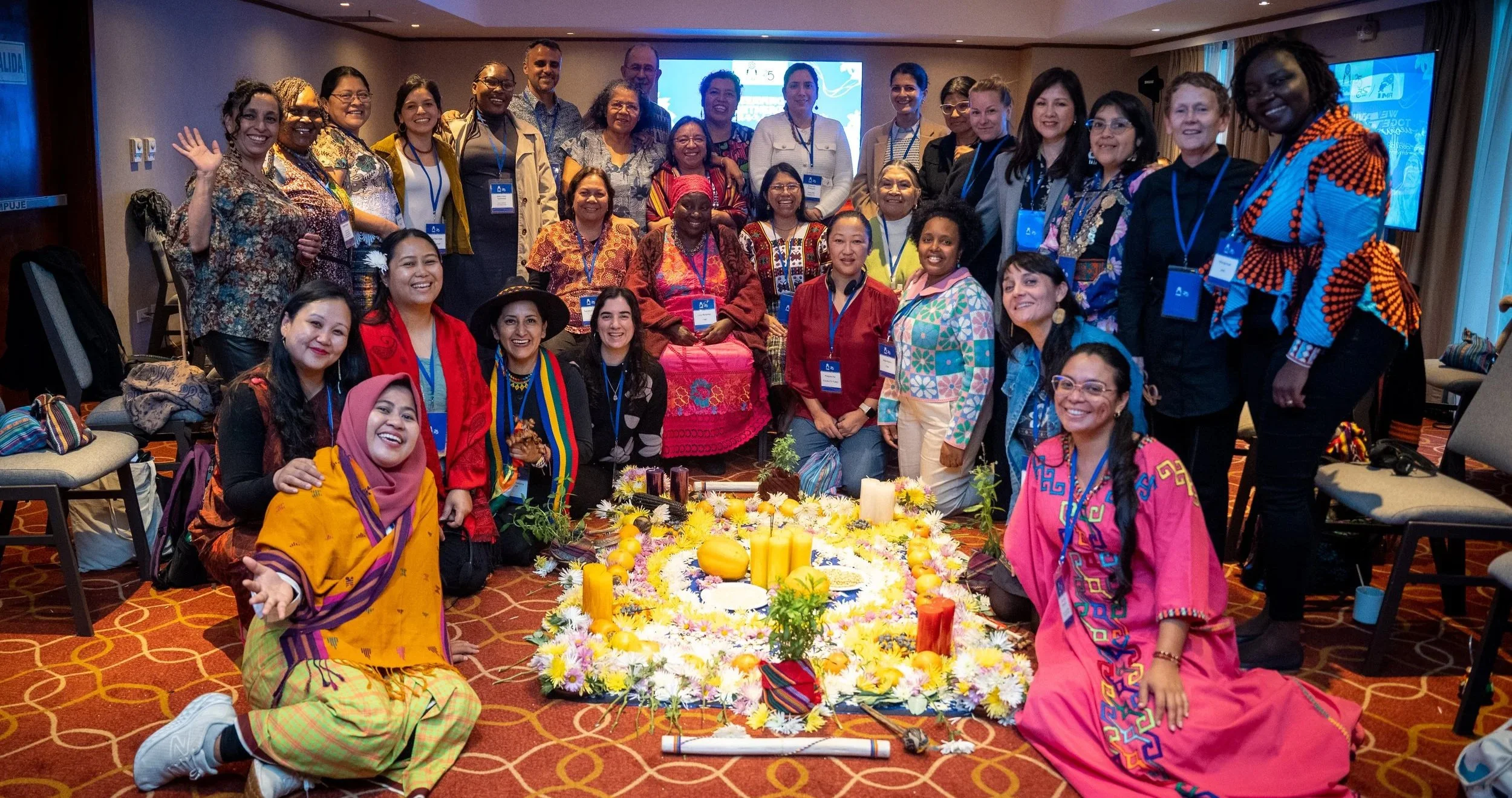
Leading from the South has operated on a different premise for ten years: that proximity is a qualification, not a liability. That flexible, long-term, trust-based funding produces outcomes that restricted project grants cannot. The results across Vanuatu, Nepal, Tanzania, Bangladesh, Peru, and dozens of other contexts validate that premise repeatedly.
Building on this evidence with action at scale is now essential, particularly as the global context intensifies the cost of inaction. As civic space closes and political systems retreat from their obligations to the most marginalised, Indigenous women’s organisations are absorbing the consequences and continuing to lead. They deserve not just recognition but the resources that match the scope of their work.
With ten years of results behind us, the question ahead is not what works, but how quickly it can be expanded. Philanthropy has the opportunity now to transform evidence into progress at scale.